Raised Garden Bed vs In-Ground Gardening: Which One Is Best for Your Garden?
- Kamonte Brown
- Mar 15
- 3 min read
If you're starting a garden, one of the first big decisions you'll face is whether to grow in raised garden beds or plant directly in the ground. Both methods can produce beautiful flowers, herbs, and vegetables, but each has unique advantages depending on your space, soil, and gardening goals.
In this guide, we'll break down the pros, cons, costs, and best uses for raised beds and in-ground gardens so you can choose the best setup for your garden in 2026. If you're new to gardening, you may also want to read our blog "How to Start a Garden For Beginners."
What Is a Raised Garden Bed?
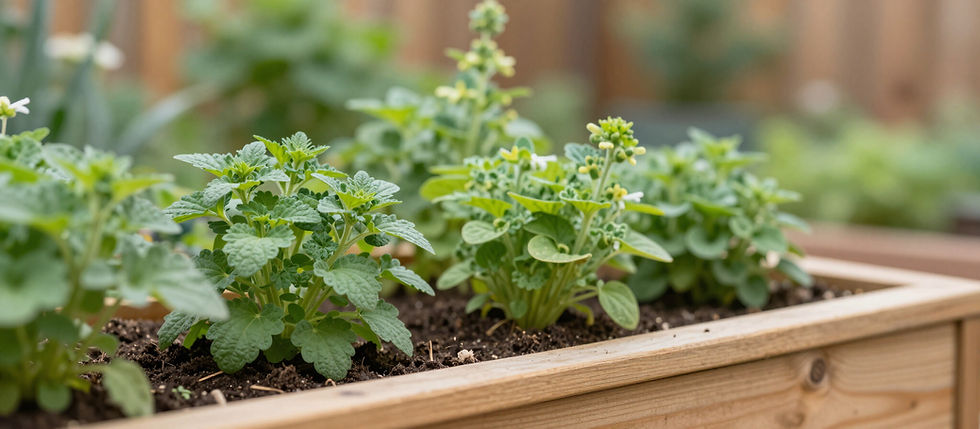
A raised garden bed is a planting area that sits above the natural soil level and is usually contained within a frame made of wood, metal, or composite materials.
Gardeners fill these beds with custom soil blends, allowing them to create the perfect growing conditions for plants.

Benefits of Raised Garden Beds
1. Better Soil Control
You can fill raised beds with high-quality soil mixtures designed for vegetables, herbs, or flowers.
2. Improved Drainage
Raised beds drain water faster than ground soil, preventing root rot.
3. Fewer Weeds
Since you're starting with fresh soil, raised beds typically have fewer weeds.
4. Easier on Your Back
Raised beds reduce bending and kneeling, making gardening more comfortable.
5. Warmer Soil in Spring
The soil warms faster, allowing earlier planting.
Downsides of Raised Beds
Higher startup cost
Requires soil to fill the beds
May dry out faster in hot weather
What Is In-Ground Gardening?
In-ground gardening is the traditional method of planting directly into the natural soil in your yard.
This method has been used for centuries and works especially well for large gardens or farms.

Benefits of In-Ground Gardening
1. Lower Cost
You don't need frames, lumber, or additional soil.
2. Better for Large Gardens
Growing directly in the ground makes scaling easier.
3. Natural Soil Ecosystem
Earthworms, microbes, and fungi support plant growth.
4. Holds Moisture Longer
Ground soil dries out slower than raised beds.
Downsides of In-Ground Gardening
Soil quality may be poor or compacted
More weeds
Harder to control drainage
More bending and physical work
Raised Beds vs In-Ground Gardening (Quick Comparison)
Feature | Raised Garden Beds | In-Ground Gardening |
Startup Cost | Higher | Low |
Soil Quality | Fully controlled | Depends on yard soil |
Drainage | Excellent | Variable |
Weeds | Fewer | More common |
Best For | Small spaces, beginners | Large gardens |
Maintenance | Easier | More labor |
Which Gardening Method Produces More Food?
Both methods can produce high yields when done properly. However, raised beds often produce more food per square foot because gardeners can:
Space plants more efficiently
Use richer soil
Manage water and nutrients better
This is why raised beds are popular for small space gardening and urban gardens.
When Raised Beds Are the Best Choice
Choose raised garden beds if:
Your soil is rocky, clay-heavy, or poor quality
You want better drainage
You're gardening in small spaces
You want a clean, organized garden layout
Raised beds are especially popular for:
herbs
lettuce
tomatoes
peppers
carrots
strawberries
When In-Ground Gardening Is Better
Plant directly in the ground if:
You have large gardening space
Your soil is already healthy and fertile
You want to grow large crops
Great crops for in-ground gardens include:
pumpkins
corn
potatoes
squash
watermelon

Can You Combine Both Methods?
Absolutely. Many gardeners use a hybrid approach:
Raised beds for vegetables and herbs
In-ground space for large crops
This strategy maximizes space while keeping your garden efficient and productive.
Final Thoughts
Both raised garden beds and in-ground gardening can produce thriving gardens. The best choice depends on your space, soil quality, and gardening goals.
If you're a beginner or working with limited space, raised beds are often the easiest way to start gardening successfully. But if you have rich soil and lots of land, in-ground gardening remains one of the most natural and cost-effective methods.
No matter which path you choose, the most important step is simply getting started and growing something.
Comments